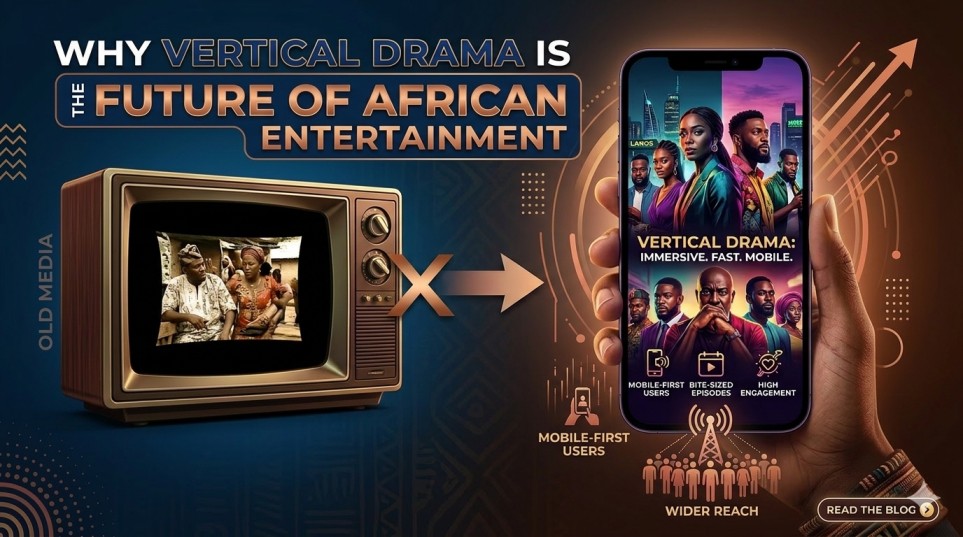
Something remarkable is happening across Africa. From Lagos to London, from Accra to Atlanta, a new generation of Africans is reaching for their phones to consume content — not leaning back for a two-hour film. The smartphone is the new cinema, the vertical screen is the new widescreen, and the 90-second episode is the new chapter.
At ToriBOX, we didn't invent this trend. We simply built the home it deserves.
The Numbers Don't Lie
Sub-Saharan Africa has been one of the world's fastest-growing mobile regions in recent years. GSMA projected that the region would surpass 600 million unique mobile subscribers by 2025, and for many people across the region a mobile phone is the primary way of getting online. YouTube, TikTok, and Instagram Reels have already shown that mobile-first, vertical video is not a passing habit. It's becoming a default viewing behavior.
But here's the gap nobody was filling: narrative drama. Short-form platforms are great for clips and skits. They were never built for a 52-episode story with recurring characters, plot twists, and the kind of emotional investment that Nollywood does better than almost anyone on earth.
ToriBOX is that bridge. Cinematic storytelling. Mobile-first format.
"Every generation gets the entertainment format it deserves. Ours watches everything on a phone. So we built drama for the phone."
Why Vertical Works for Nollywood
Nollywood has always punched above its weight. With budgets that would make Hollywood laugh, Nigerian filmmakers have consistently created stories that resonate deeply, not just in Nigeria, but across the entire African diaspora. The emotional intelligence in Nollywood storytelling is unmatched.
What vertical drama unlocks for Nollywood creators is intimacy. When a story fills your entire screen with no black bars or landscape awkwardness, then you're in it. Close-up performances that would feel theatrical on a TV screen feel raw and personal on a phone. The medium demands authenticity.
Mobile-first platforms have consistently shown that vertical video can perform strongly on phones, especially when it matches how people naturally hold their devices. For episodic drama, that lower-friction viewing experience matters enormously.
The Cliffhanger Economy
ToriBOX episodes run 60–90 seconds. That might sound too short for real storytelling until you think about how you actually watch TikTok videos at 2am and suddenly it's been three hours. The 90-second constraint doesn't shrink stories. It forces every second to work harder.
Each episode must:
- Open with an immediate hook just like the viral TikTok videos
- Advance the story meaningfully with escalations
- End on a moment that makes you need the next episode
That's the cliffhanger economy. Every episode is both a complete emotional beat and an unresolved tension. It's addictive by design, and our early internal testing suggests viewers often watch multiple episodes in a single sitting.
What This Means for African Storytellers
The opportunity is enormous. The barriers to entry in traditional Nollywood like expensive cameras, distribution deals, and cinema slots don't apply here. A talented director with a compelling story, a good cast, can create a ToriBOX series.
We're not just building a streaming platform. We're building the infrastructure for a new creative class in Africa: writers, directors, actors, and producers who build careers on stories told in vertical frames, 90 seconds at a time.
The future of African entertainment isn't going to come from a boardroom in Los Angeles. It's going to come from a set in Lekki, a creative agency in Accra, a bedroom studio in Johannesburg. Vertical drama is the format that makes that possible at scale.
What's Next
ToriBOX plans to launch 10 original series in 2026, with the first one launching in April 2026. We're working with some of Nigeria's most exciting emerging directors and giving them total creative freedom with one constraint: make it work on a phone screen.
The African entertainment renaissance is happening. It's vertical. It's mobile. And it's just getting started.